Airless bottles explained: when a formula needs one
An airless pack is a functional decision, not a premium detail. How piston systems work, which formulas benefit, and how to specify dosage and evacuation.
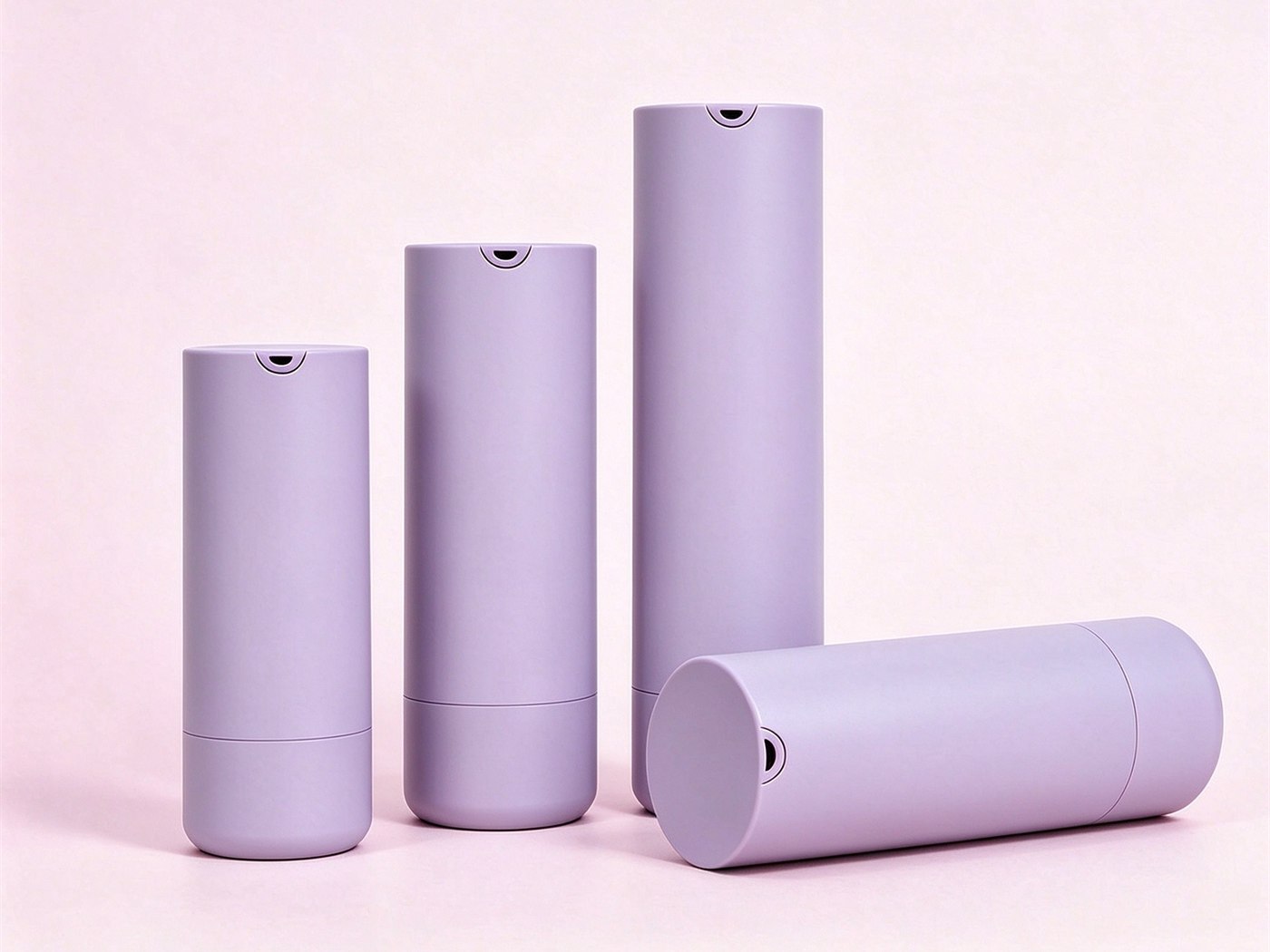
An airless bottle removes one variable from a formula's life: air. Instead of a dip tube drawing product from the bottom of a headspace, a piston rises as the pump evacuates, so the product chamber stays full and sealed.
That single mechanical difference changes what the formula has to do.
How the mechanism works
A cosmetic airless pack has four functional parts: the outer body, a piston that seals against the body wall, a pump engine, and a one-way valve at the outlet. Each pump stroke creates a partial vacuum behind the piston; atmospheric pressure pushes the piston up by the volume dispensed.
There is no air return path, so no air enters the chamber between uses. The pump also meters a fixed dose, which is why airless packs are specified by output per stroke rather than by neck size.
Which formulas benefit
Airless is the correct choice when:
- the formula contains an oxidation-sensitive active (vitamin C, retinol, peptides);
- the formula is preservative-light by design and cannot tolerate repeated air contact;
- the product is a high-value fluid where complete evacuation matters commercially;
- the brand wants a controlled, non-dripping dose at the point of use.
It is the wrong choice when the formula is a thick cream that will not flow to the piston, when the pack must be refillable by the consumer, or when unit cost is the dominant constraint.
Specifying dosage and evacuation
Two numbers decide whether the pack works on the filling line and in the customer's hand:
- Output per stroke, typically 0.15-0.25 ml for facial products. A serum at 0.2 ml per stroke gives roughly 150 doses from a 30 ml pack.
- Evacuation rate, the percentage of fill that can be dispensed before the pump cavitates. Good piston designs reach 95% or better; poor ones leave 10-15% behind, which customers notice at the end of a premium product.
Both should be verified on your actual formula, not on the pump supplier's reference fluid. Viscosity and yield stress change the result.
Filling considerations
Airless packs are filled bottom-up through the open body before the pump is seated. That requires either a dedicated filling line or a semi-automatic adapter. If your contract filler has never run airless, plan for a trial batch: the failure mode is trapped air under the piston, which shows up as a short first dose.
The cost question
An airless pack typically costs more than a PET bottle with a lotion pump — the piston, the engine and the tighter mould tolerance all add cost. The justification is usually formula protection and evacuation rather than appearance, so the decision belongs with product development, not only with marketing.
Where to go next
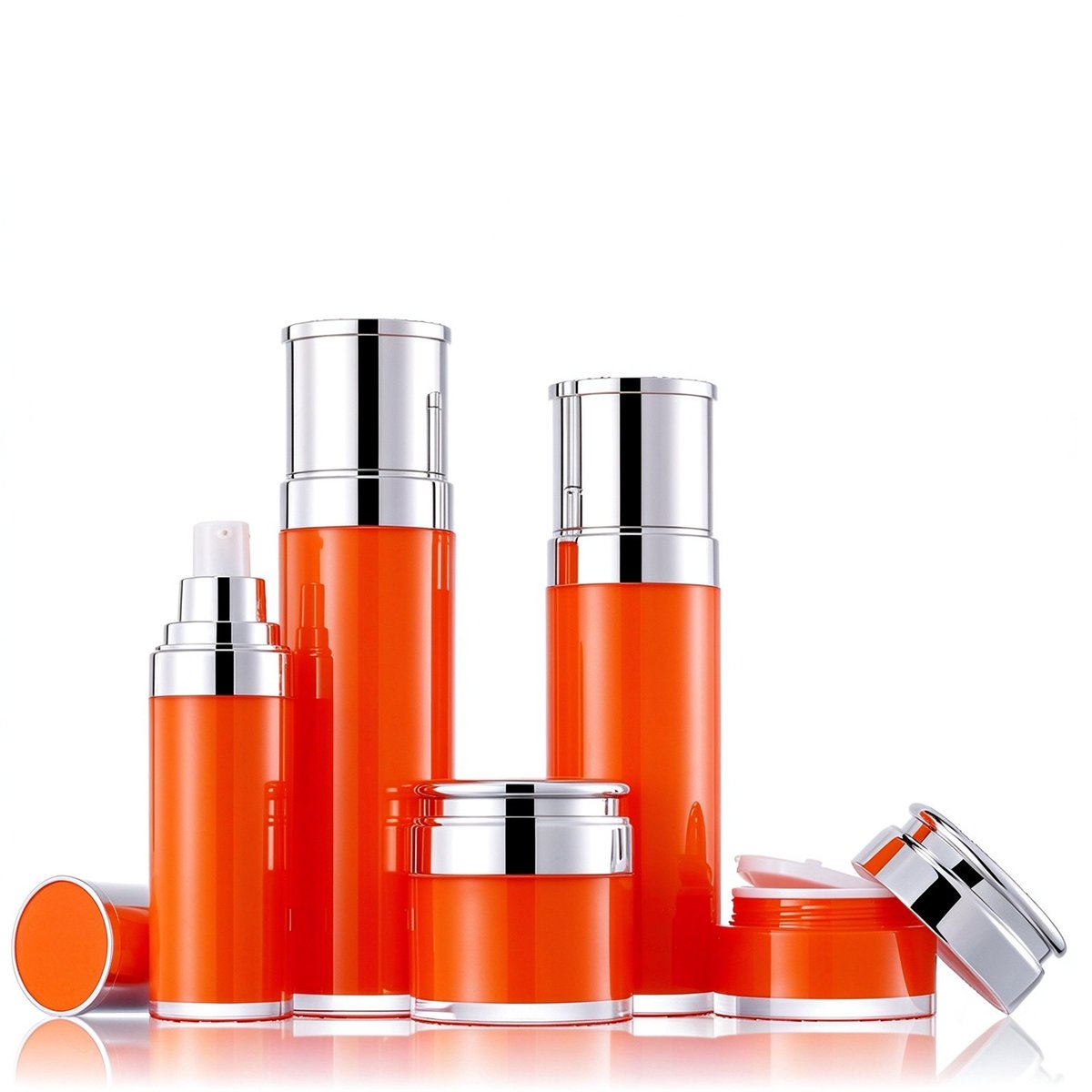
Formats and sizes are on airless bottles; one worked example of a matched bottle-and-jar family is the airless bottle and jar range.
Specifying this for a real product? Send the drawing or a reference sample.